
Sourdough Basics vol. II: What is Fermentation?

Hey there Bread Friend!
Today’s newsletter is the second part of my new monthly series, Sourdough Basics — where I share the foundational knowledge every sourdough baker should have.
We’ll cover topics like:
What is Sourdough? What is fermentation? Whole grain vs. Plain Flour, feeding guides, how to mix a bread step-by-step, Q&A from my most asked sourdough questions on instagram, Key to Success Guide, and so so much more!
If there’s a topic you’d love for me to include in this series, leave a comment or send me a message — I’d truly love to hear from you!
OR If you can’t wait for these topics to arrive in the form of a newsletter, you can dive straight into all these topics in my Sourdough Book A Sourdough Journey right here:
Last month we covered Sourdough Basics Vol I: What is Sourdough?

Now that we know what sourdough is, it’s time to dive into the science behind it — fermentation — and understand how sourdough actually works.
You might be thinking: “I just want to bake sourdough bread — do I really need to know all of this?” Well… yes..
You don’t need a science degree, but you do need a basic understanding of what’s happening inside your starter jar. Knowing how fermentation works helps you read your dough, understand your starter’s behavior, and determine whether it’s balanced and strong enough to bake with.
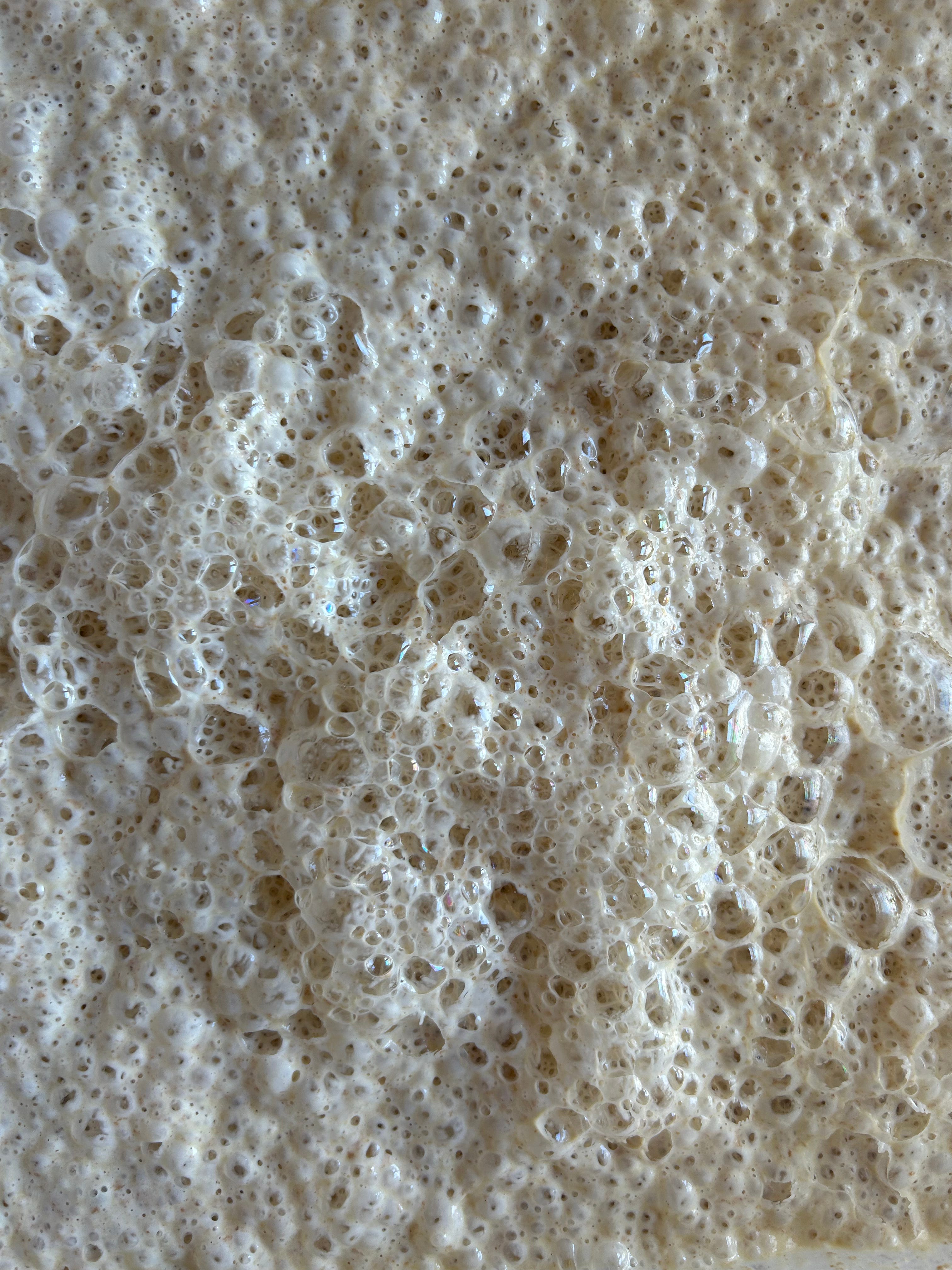
It’s quite magical to think of a freshly baked sourdough bread, as a result of microorganisms fermenting flour and water.
A sourdough starter is a living culture of microorganisms, and these microbes are found everywhere — In your flour, in the air, on your hands, in the jar or even the spoon you use to stir. The specific microbes in your environment are what give your starter its unique flavor profile and balance of yeast and bacteria.
If you were to take an offshoot of my starter, it would gradually evolve into something slightly different in your kitchen. The local yeasts and bacteria in your environment would influence it, and over time it would behave differently than mine.
That’s exactly why understanding fermentation matters — When you understand the process, you have the tools to troubleshoot your bread when something goes wrong, and you can adapt, adjust, and ultimately achieve the results you want in your sourdough baking.
Thank you so much for sticking around!
Please help me keep this journey going by liking, sharing, commenting or reposting!
xx Alisa
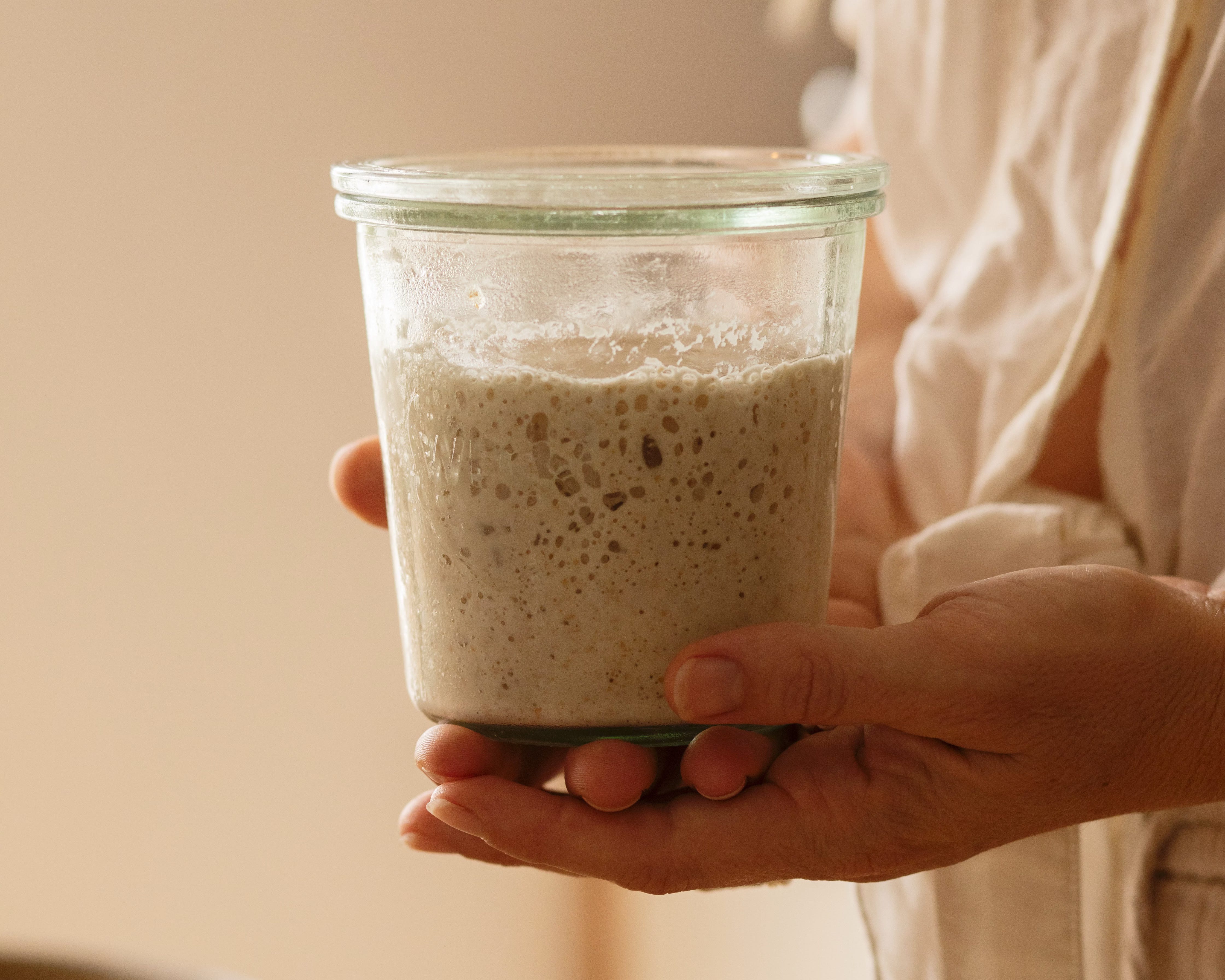
1. What is Fermentation?
Let’s pull back the curtain and look at what fermentation really is — and why it’s the heart of every great sourdough loaf!
